
In the world of modern hair care, it’s easy to get lost between products that all promise the same thing — stronger, thicker, faster-growing hair. From clarifying to moisturizing shampoos, from repairing masks to leave-in treatments, the list feels endless. Yet when the goal is to boost hair growth and reduce hair loss, two essentials always stand out: hair oils and hair serums.
Both claim to stimulate hair follicles, strengthen the fiber, and help rebuild what stress and styling damage daily undo. But while they look similar, they don’t act the same. Each has its own rhythm, function, and benefit within a hair care routine for growth.
This Beyond Hair & Culture guide explores the real difference between hair oil and hair serum for hair growth — how each works, when to use them, and why combining both can unlock the healthiest version of your hair
Understanding the difference between hair oil and hair serum for hair growth: the role of hair oils
A hair oil is more than just a finishing touch; it’s a restorative treatment formulated from botanical sources like nuts, olives, seeds, and fruits. Blended with nutrient-dense vegetable oils, it’s naturally rich in fatty acids, vitamins, and antioxidants, making it a true powerhouse for scalp and strand health.
Used for centuries in different cultures, natural oils for hair loss remain one of the most effective ways to stimulate hair follicles naturally and strengthen the hair fiber. A well-formulated oil penetrates deep into the cuticle to nourish, repair, and seal in moisture, helping you rebuild resilience and shine from root to tip

In a consistent hair care routine for growth, oils improve scalp balance, boost circulation, and create the right environment for new hair to thrive. When chosen wisely, they’re among the best products for stronger, thicker hair, especially when addressing breakage or early signs of thinning.
The essential roles of hair oils in a hair care routine for growth
Every drop of hair oil carries weight; centuries of ritual, research, and restoration. Once blended and warmed between the hands, it becomes more than a treatment. It builds resilience strand by strand, nurturing your scalp while preparing it for new growth. In the search for visible change, understanding the difference between hair oil and hair serum for hair growth begins here, with the quiet precision of oils and their layered work.
Hydration and Nutrition
A well-formulated hair oil for hair growth acts as a natural emollient, sealing moisture inside the cuticle and protecting it from daily dehydration. Regular use helps calm dryness, brittleness, and split ends, leaving the hair softer and more elastic. This kind of nourishment strengthens the base of any hair care routine for growth, creating the conditions for density over time.
Repairing hair damage
Years of heat styling, coloring, or pollution gradually erode the hair’s surface. The repairing properties of natural oils for hair loss help rebuild that fragile layer.
They work by:
- strengthening the cuticle, your hair’s outer shield
- reducing breakage before it begins
- supporting the scalp in preventing excess shedding
- restoring vitality to dull, overworked hair.
Through consistent use, these oils transform your hair fiber into one that absorbs light instead of losing it.
Better scalp health
Healthy hair starts beneath the surface. Applying hair oil with slow, deliberate massage encourages circulation and renews the follicles’ rhythm. Each movement:
- stimulates blood flow, awakening dormant roots
- nourishes follicles with essential fatty acids and vitamins
- soothes irritation, maintaining balance across the scalp
This quiet ritual supports stronger, thicker hair and forms the foundation for any hair oil and serum for hair growth routine that seeks lasting results.
The best natural oils for hair loss and stronger, thicker hair
When hair begins to thin, every bottle suddenly claims to contain a miracle. As if one drop could undo three years of neglect and six rounds of bleach. The truth is that quieter progress comes from consistency, circulation, and ingredients that actually work. The following natural oils for hair loss are known to stimulate hair follicles naturally and support a steady hair care routine for growth.
Rosemary oil
Rosemary oil holds a near-mythic status in every hair oil and serum for hair growth conversation, and for good reason. It promotes blood flow to the scalp, strengthens follicles, and supports visible regrowth over time.
Studies often compare its effects to Minoxidil, though rosemary carries a gentler touch and a botanical depth no lab formula can mimic.
Pumpkin seed oil
This cold-pressed oil targets one of the main culprits behind thinning: DHT. Regular application helps slow excessive shedding in androgenic alopecia, while the antioxidant profile nourishes the strand from the inside out. Pumpkin seed oil remains one of the best products for stronger, thicker hair, balancing nutrition with scalp health.
Grapeseed oil
Grapeseed oil restores what modern living quietly strips away. Its lightweight texture absorbs fast, improving texture and softness without weighing hair down. Rich in antioxidants and essential fatty acids, it supports blood circulation and reduces scalp inflammation: essential pillars for sustainable growth.
Lavender oil
Lavender oil brings more than fragrance. Its healing and anti-inflammatory properties calm the scalp, reduce micro-irritations, and help follicles stay active longer. For sensitive scalps or reactive skin types, it’s a reliable ally within any hair care routine for growth.
Peppermint oil
Cool on contact, peppermint oil creates a subtle tingle, a sign of increased circulation. That micro-stimulation helps stimulate hair follicles naturally and can contribute to improved density over time. It’s also refreshing enough to make the process feel like care rather than correction
Amla oil
A traditional staple in Ayurvedic care, amla oil blends vitamin C, flavonoids, and antioxidants into one dense elixir. Regular use strengthens the hair fiber, reduces breakage, and revives shine. It’s particularly effective in slowing stress-related thinning and enriching overall scalp vitality
Other notable oils
Jojoba, tea tree, and thyme oils carry their own quiet authority: lighter textures, strong antibacterial properties, and the ability to rebalance scalp sebum. They complete a well-rounded oil blend that supports hair oil and serum for hair growth strategies long-term.
BHC Takeaway
Before buying, scan the label. If your “miracle blend” lists perfume before active ingredients, it belongs on a shelf, not your scalp. Look for at least one of the oils above, or better, build your own custom blend. Consistency, not novelty, is what makes the difference between temporary gloss and true regrowth.
Understanding hair serums and their role in a hair care routine for growth
Every beauty aisle promises transformation in a bottle. A few drops, and apparently, you’re Rapunzel by morning. Yet behind the slogans, hair serums earn their place for a reason. They deliver concentrated active ingredients directly to where they matter most your cuticle and, in some formulations, your scalp itself.
A hair serum is a specialized treatment designed to target both the health and appearance of your hair. These formulas come as lightweight liquids or gels, blending proteins, vitamins, plant extracts, and silicone derivatives. The result is a product engineered for performance rather than illusion: sleek enough for styling, potent enough to stimulate hair follicles naturally over time.
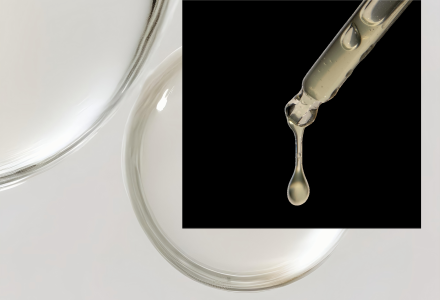
Unlike heavier oils, serums absorb fast and leave no residue. This makes them ideal for daily use within a hair care routine for growth, particularly for those balancing treatment with texture management. A well-formulated hair oil and serum for hair growth combination covers both sides of care: depth and precision.
The best serums for visible improvement focus on circulation, strength, and hydration. Their ingredients build protection around the fiber, maintain elasticity, and support a scalp environment that encourages renewal. Over time, they contribute to stronger, thicker hair, offering results that feel clean, lightweight, and consistent.
Why hair serums deserve a place in your hair care routine for growth?
Every bottle insists it can fix everything. Apparently, the serum will moisturize, protect, and maybe even pay your bills. Yet when used with precision, hair serums hold genuine value. Their molecular design allows actives to move fast, coating the cuticle, sealing in hydration, and helping stimulate hair follicles naturally where daily stress shows first.
For dry hair
A hair serum for hair growth often includes moisturizing ingredients like aloe vera or lab-developed humectants. They slip between cuticle layers, softening coarse strands and restoring elasticity. Over time, this consistent hydration supports the scalp’s balance, a quiet but crucial step in any hair care routine for growth.
For dull or lackluster hair
Most hair serums blend nourishing oils — argan, jojoba, sometimes grapeseed — with vitamins that revive the surface layer. The effect isn’t optical trickery; it’s replenishment. Your hair fiber reflects light again, giving that reflective finish we call “shine,” though it’s closer to health than glamour.
For thermal and environmental protection
Daily styling tools test the limits of your hair’s structure. Formulas built for heat defense coat the fiber in a thin protective film, reducing dehydration and internal damage. Some extend that barrier to UV rays and pollution, shielding against invisible stress that accumulates with time. It’s quiet maintenance — prevention disguised as polish.
For hair loss and weak follicles
In anti-shedding formulas, hair serums blend vitamins, minerals, and plant extracts to feed the root. Their circulation-boosting actives stimulate hair follicles naturally and may help lower the DHT activity that contributes to thinning. Within a combined hair oil and serum for hair growth plan, they handle precision: controlled absorption, targeted delivery, and measurable density over time.
BHC Takeaway
Overall, hair serums refine the texture and discipline the fiber, making strands smoother and easier to manage. The less you expect magic, the better it works.
The key ingredients that make a hair serum effective for hair growth and hair loss prevention
Every hair serum for hair growth lives or dies by its formula. Ingredient lists reveal more than the label ever admits — some bring structure back to weakened strands, others awaken dormant follicles. The right blend supports circulation, renewal, and resilience within a consistent hair care routine for growth.
Below are the actives worth scanning for when choosing a hair oil and serum for hair growth that does more than just coat the surface.
Biotin (Vitamin B7)
A foundation nutrient for keratin production, biotin strengthens the internal structure of each strand. Its role in cellular renewal helps maintain thickness and elasticity, reinforcing the entire hair fiber over time. Formulas containing biotin support density and reduce the appearance of thinning.
Caffeine
Applied to the scalp, caffeine acts as a mild stimulant. It encourages circulation, bringing oxygen and nutrients closer to the root. Within a targeted hair serum for hair growth, caffeine helps sustain follicle activity and contributes to gradual reinforcement of weakened areas.
Essential oils
Certain essential oils — especially rosemary and lavender — remain at the center of modern and ancestral care alike. Their bioactive compounds stimulate hair follicles naturally and calm low-level scalp irritation. In measured doses, they balance vitality with restoration, extending the life cycle of the hair.
Panthenol (Provitamin B5)
Panthenol binds moisture to the fiber, improving elasticity and movement. Regular use increases density and limits breakage, giving the strand a steadier architecture. Within a hair care routine for growth, this ingredient builds endurance — a quiet kind of strength that compounds over time.
Amino acids
Cysteine, methionine, and tyrosine act as building blocks of keratin. When used topically, amino acids help rebuild the cohesion between cuticle layers and enhance shine through structural balance. They complement heavier actives in the formulation by reinforcing natural protein bonds.
Peptides
Peptides have earned a place among the most effective anti-hair loss technologies. They signal regeneration at the follicle level, improving density and resistance.
Integrated into a hair oil and serum for hair growth protocol, peptides deliver precision where the hair’s natural rhythm has slowed, quiet repair, translated into visible strength.
Our final takeaway
Both hair oils and hair serums hold their ground in a serious hair care routine for growth. Each brings a different kind of precision: one feeds, the other refines. Together, they build the foundation for stronger, denser, more resilient strands, results that unfold quietly, the way true repair does.
Oils remain the backbone of nourishment, saturating the fiber with essential fatty acids and sealing in strength. Serums extend that work to the surface, stimulating hair follicles naturally through circulation and hydration while keeping the finish weightless. Used in tandem, they turn consistency into visible progress, the simplest form of science in beauty.
Beyond Hair & Culture continues this exploration with its next feature on Telogen Effluvium, an in-depth look at one of the most overlooked forms of hair loss and what it reveals about scalp health.


